Damaged Skin Barrier Symptoms: How to Know If Your Moisturizer Is Making It Worse
Your Skin Is Talking — Here's What It's Saying
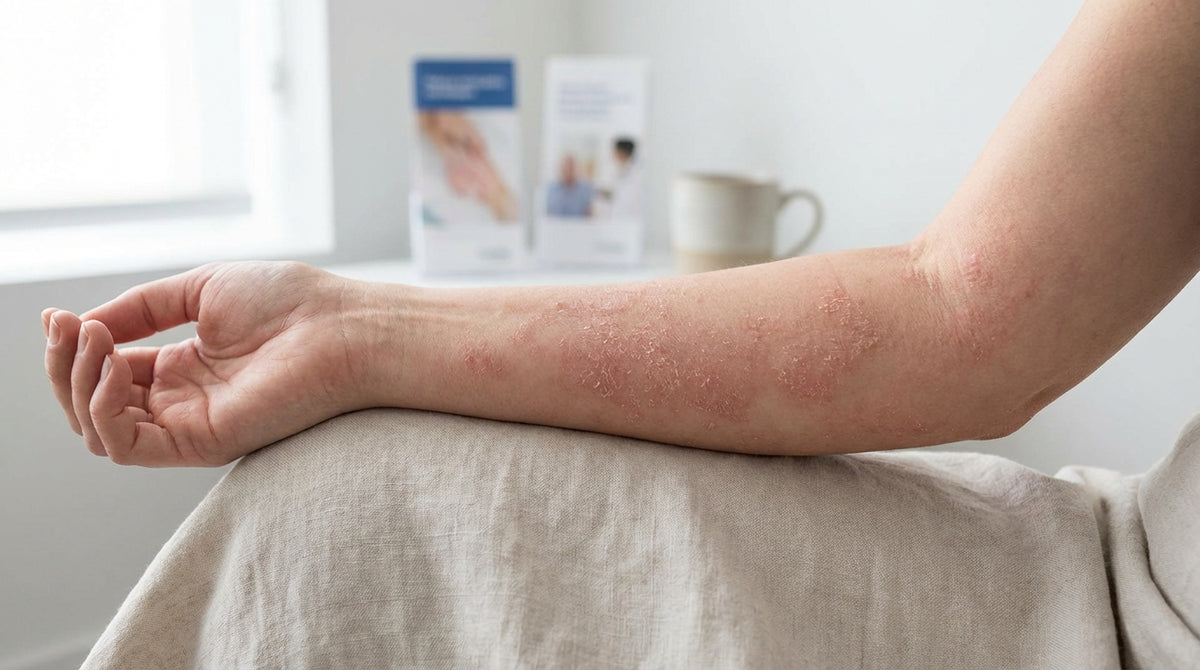
A damaged skin barrier doesn't always announce itself with a dramatic rash or breakout. More often, it shows up as a collection of subtle signs that are easy to dismiss — or worse, easy to misread as "needing more product."
The stratum corneum, your skin's outermost protective layer, is only about 15-20 cell layers thick. When it's intact, it keeps moisture in and irritants out. When it's compromised, water escapes faster than your skin can replace it (increased transepidermal water loss), and environmental triggers that normally bounce off start penetrating deeper.
Here are six damaged skin barrier symptoms to watch for — and the moisturizer ingredients that may be making things worse instead of better.
6 Signs Your Skin Barrier Is Compromised
1. Your Moisturizer Stings When You Apply It
This is the most telling sign and the one people most often ignore. If a product that doesn't contain active exfoliants (like AHAs or retinol) causes stinging, burning, or a "hot" sensation on application, your barrier has micro-gaps. Ingredients are reaching nerve endings they shouldn't be able to reach.
Stinging doesn't mean the product is "working." It means your barrier can't keep it out.
2. Skin Feels Tight Within an Hour of Moisturizing
You apply moisturizer, feel relief for 30-60 minutes, and then the tightness returns. This cycle suggests your product is sitting on the surface rather than integrating with your barrier's lipid structure. The temporary relief comes from a surface film, but the underlying barrier gaps remain open.
3. Redness That Appears Without an Obvious Trigger
A compromised barrier allows environmental irritants — pollution, temperature changes, even tap water minerals — to reach deeper skin layers and trigger inflammatory responses. If your skin flushes red from things that never bothered it before, the barrier is likely the issue, not a new allergy.
4. Flaking or Peeling Without Using Exfoliants
When the lipid "mortar" between skin cells breaks down, cells detach unevenly and visibly. This isn't the same as normal skin cell turnover (which happens invisibly). Visible flaking means the bonds holding your stratum corneum together are failing.
5. Skin Looks Dull Despite Being Well-Hydrated
An intact barrier reflects light evenly, giving skin a natural luminosity. A damaged barrier has an irregular surface — think of the difference between a smooth pane of glass and a frosted one. Even if you're drinking plenty of water and using hydrating serums, a disrupted barrier scatters light and makes skin look flat.
6. Increased Sensitivity to Products You've Used for Years
Suddenly reacting to your regular routine is a classic damaged skin barrier symptom. Your go-to products haven't changed — your barrier's ability to tolerate them has. This is often the sign that prompts people to start switching products rapidly, which can make things even worse.
Moisturizer Ingredients That Make Barrier Damage Worse
Here's the uncomfortable truth: some of the ingredients in your moisturizer may be contributing to the problem. When your barrier is compromised, these ingredients can deepen the damage.
Fragrance and Parfum
Fragrance is the single most common cause of cosmetic contact dermatitis. The term "fragrance" or "parfum" on a label can represent any of 3,000+ chemical compounds, and manufacturers aren't required to disclose which ones. On intact skin, fragrance compounds may not cause issues. On a compromised barrier, they penetrate more deeply and can trigger inflammation that prevents barrier recovery.
If your barrier is damaged, fragrance-free isn't a preference — it's a necessity.
Denatured Alcohol (Alcohol Denat.)
Found in many lightweight lotions and "oil-free" moisturizers, denatured alcohol gives products a quick-absorbing, matte feel. It achieves this by dissolving lipids on contact. On healthy skin, the barrier can recover. On a compromised barrier, you're stripping the very lipids you're trying to rebuild.
Not all alcohols are problematic — fatty alcohols like cetyl alcohol and cetearyl alcohol are actually beneficial emollients. It's the short-chain, drying alcohols (alcohol denat., isopropyl alcohol, SD alcohol) that cause issues.
Sodium Lauryl Sulfate (SLS)
SLS is more common in cleansers than moisturizers, but it does appear in some leave-on products as an emulsifier. Research has consistently shown that SLS disrupts the lipid bilayer of the stratum corneum, increasing TEWL and allowing irritants to penetrate. If you're dealing with damaged skin barrier symptoms, check your entire routine — cleanser included — for SLS.
Essential Oils in High Concentrations
Essential oils are natural, but "natural" doesn't mean "gentle on a damaged barrier." Many essential oils — particularly citrus oils, peppermint, eucalyptus, and tea tree — contain compounds that can irritate compromised skin. In low concentrations, they may be fine. But when your barrier is actively damaged, even small amounts can slow recovery.
Synthetic Dyes
Colors like FD&C Red No. 40 or Blue No. 1 serve no functional purpose in a moisturizer. They exist purely for aesthetics. On compromised skin, these synthetic compounds can trigger sensitization reactions. There's no reason to apply them to damaged skin.
What Actually Supports a Compromised Barrier
If the ingredients above work against barrier repair, what works with it? The research points to a few key principles:
Lipid Compatibility
Your barrier's lipid mortar is made of ceramides, cholesterol, and free fatty acids in a specific ratio. Products that deliver lipids similar to what your skin naturally produces — particularly a balance of saturated and unsaturated fatty acids — integrate more effectively than those with a mismatched lipid profile. Grass-fed beef tallow is one of the closest natural matches to human sebum's fatty acid composition.
Humectant Support
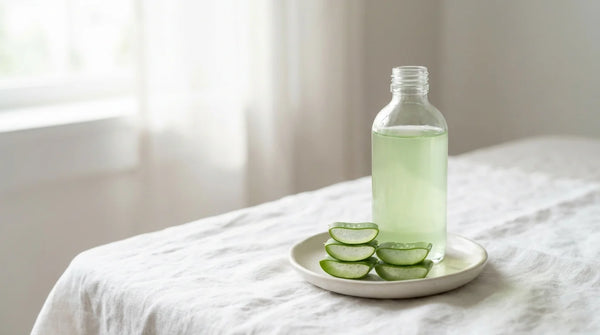
Humectants like glycerin and aloe vera draw water into the stratum corneum, supporting hydration from the inside while lipids work on the structural repair from the outside. This dual approach — humectants plus compatible lipids — addresses both the water-loss and lipid-depletion aspects of barrier damage. The same principle applies when the barrier is disrupted by physical injury — including tattoo healing, where the skin needs active humectant support alongside barrier-compatible lipids simultaneously.
Minimal Ingredient Lists
When your barrier is compromised, every ingredient is a potential irritant. Shorter ingredient lists mean fewer variables and a lower chance of triggering a reaction. This is one area where "less is more" genuinely applies. A product with 8 ingredients gives your skin far fewer compounds to process than one with 30+.
No Fragrance, No Alcohol, No Dyes
This should be non-negotiable during barrier recovery. Anything that doesn't directly support repair or hydration is a potential setback. Your barrier doesn't need to smell good to function well.
If you're dealing with sensitive, stinging skin, choosing a product that eliminates all known barrier disruptors is the first step.

8 ingredients, fragrance-free — nothing that fights a compromised barrier.
8 ingredients. Grass-fed tallow + aloe vera. Nothing you can't pronounce.
The Takeaway
Damaged skin barrier symptoms are your skin's way of telling you something is wrong with its protective layer — not that you need a more expensive serum. The stinging, flaking, redness, and tightness all point to the same root cause: compromised lipid structure in the stratum corneum.
Before adding more products to your routine, audit what you're already using. Fragrance, drying alcohols, SLS, and high concentrations of essential oils can all slow barrier recovery. Strip your routine back to barrier-compatible basics: sebum-similar lipids, gentle humectants like aloe vera and glycerin, and as few unnecessary additives as possible.
A short ingredient list — like aloe vera, grass-fed beef tallow, coconut oil, shea butter, carrot seed hydrate, glycerin, emulsifying wax, and PE9010 — gives your barrier the raw materials for repair without the compounds that work against it.
Learn more about finding the right tallow-based approach for your skin.
This post is for informational purposes only. It is not medical advice.