Is Aloe Toxic? What the Science Says About Aloe Vera Safety
Short answer: the inner gel is safe on skin. The latex layer is the concern.
★★★★★ 4.9 out of 5 · 135+ verified reviews · 2,400+ customers

- Inner leaf aloe only
- 8 clean ingredients
- No dyes, no fragrance
- 135+ verified reviews
The Short Answer: It Depends on Which Part of the Plant
When people ask "is aloe toxic?" they're usually reacting to a headline about aloe vera and cancer risk, or they've heard that aloe can be dangerous. The answer is more specific than a simple yes or no — because the aloe vera plant has three distinct layers, and they have very different safety profiles.
Understanding the difference matters whether you're drinking aloe juice, applying aloe gel to your skin, or choosing skincare products that contain aloe vera as an ingredient.

Never realized how many chemicals were in my old lotion. This product actually lives up to the word "natural." The ingredient list reads like a recipe, not a chemistry class.Margie V.✓ Verified buyer

The Three Layers of Aloe Vera
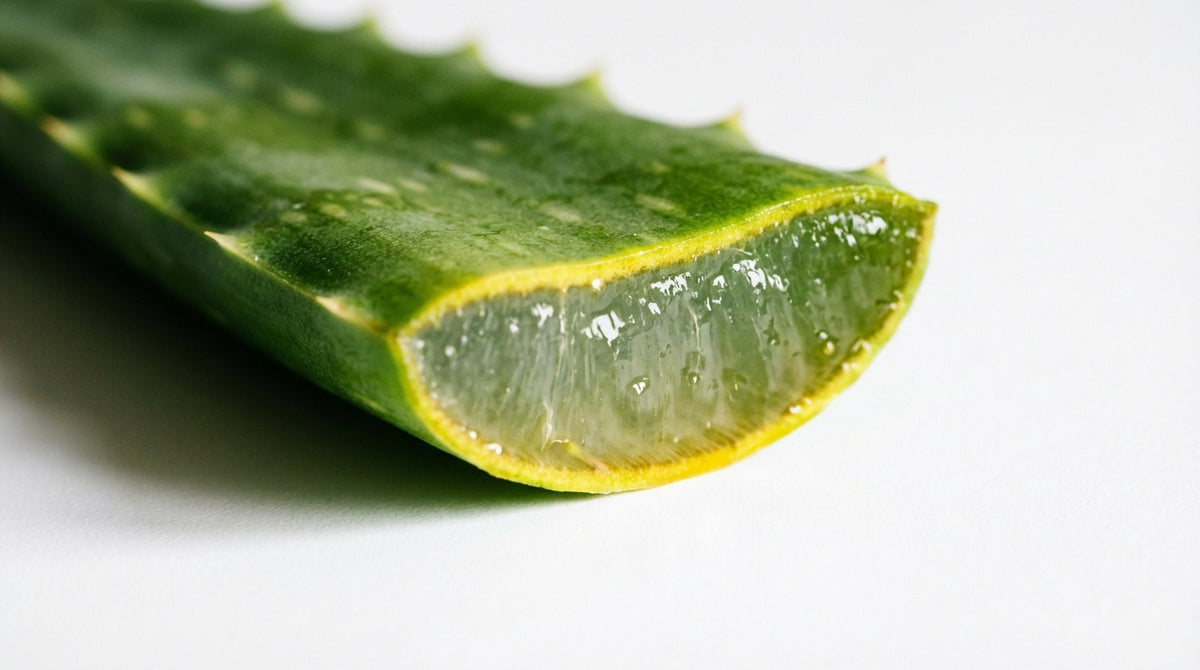
1. The outer rind (green skin) — the tough exterior of the leaf. Contains minimal bioactive compounds. Not typically used in any products.
2. The latex layer (yellow sap) — a thin layer of yellow fluid between the rind and the inner gel. This is where the concern comes from. Aloe latex contains aloin (also called barbaloin), an anthraquinone compound that acts as a potent laxative and has been flagged in animal studies for potential health risks with long-term ingestion.
3. The inner gel (clear) — the thick, translucent gel that makes up the bulk of the leaf interior. This is the part used in skincare, wound care, and most commercial aloe products. It contains acemannan, polysaccharides, vitamins, and amino acids. The inner gel has a long-established safety profile for topical use.
When headlines say "aloe is toxic," they're almost always referring to aloe latex (aloin) — not the inner gel used in skincare.
What the Research Actually Says
Aloe Latex (Aloin) — The Concern
A 2013 study by the National Toxicology Program (NTP) found that non-decolorized whole-leaf aloe vera extract — which contains aloin from the latex layer — was associated with intestinal tumors in rats when consumed in drinking water over two years.
Key context most headlines omit:
- The study used whole-leaf extract (containing latex/aloin), not purified inner gel
- The doses were significantly higher than normal human consumption
- The study was oral ingestion over the rat's entire lifetime — not topical application
- When the aloin was removed (decolorized aloe vera), no adverse effects were observed
The International Aloe Science Council (IASC) sets strict limits on aloin content in consumable aloe products: less than 10 parts per million. Products meeting this standard use processed inner gel with the latex removed.
Aloe Vera Inner Gel — Established Safety
The inner gel has been studied extensively for topical safety:
- A 2019 systematic review in the Journal of Clinical Medicine analyzed 23 clinical trials using topical aloe vera and found no significant adverse effects across any study.
- The Cosmetic Ingredient Review (CIR) Expert Panel concluded that aloe vera inner leaf juice and gel are safe as used in cosmetic formulations.
- Aloe vera gel has been used topically for wound care, burns, and skin conditions for over 3,000 years with documented safety.
If you're applying aloe vera to a specific wound-healing context — like tattoo aftercare — the same safety profile applies, though the timing and duration of application matter more than most people realize.
The FDA classifies aloe vera gel as Generally Recognized As Safe (GRAS) for food use (when properly processed to remove aloin) and has no restrictions on its use in cosmetic products.
Topical Aloe Vera: Is It Safe for All Skin Types?
Topical aloe vera gel is safe for the vast majority of people. However, there are a few considerations:
- Aloe allergy — rare but exists, particularly in people allergic to plants in the Liliaceae family (which includes garlic, onions, and tulips). If you've never used aloe before, do a patch test on your inner wrist.
- Product quality varies — many "aloe vera" products contain minimal actual aloe. Some contain whole-leaf extract that hasn't been properly decolorized (meaning aloin may be present). Look for "inner leaf" or "decolorized" on the label.
- Concentration matters — drugstore aloe gels often contain less than 10% actual aloe, padded with water, thickeners, and preservatives. The preservatives (like DMDM hydantoin, a formaldehyde releaser) may cause more skin reactions than the aloe itself.
What to Look for in Aloe-Based Skincare
If you want the benefits of aloe vera without the concerns:
- Inner leaf gel only — avoid "whole leaf" extracts unless the label specifically states it's decolorized (aloin removed).
- Short ingredient list — the fewer additional ingredients, the fewer potential irritants. Many reactions attributed to "aloe" are actually caused by preservatives, fragrance, or dyes in the product.
- Combined with barrier-supporting lipids — aloe vera is a humectant (attracts and holds water) but doesn't supply the fatty acids your skin barrier needs. Pairing aloe with biocompatible lipids like tallow provides both hydration and barrier support.
- No artificial dyes — real aloe vera gel is clear to slightly yellow. Bright green aloe products contain artificial coloring.

How aloetallow Uses Aloe Vera
aloetallow uses inner leaf aloe vera — not whole-leaf extract. The aloe is paired with grass-fed beef tallow, coconut oil, shea butter, carrot seed hydrate, vegetable glycerin, and emulsifying wax, with just one gentle preservative, well under the legal limit. Eight ingredients total.
The aloe provides humectant hydration (draws moisture into the stratum corneum via acemannan) and anti-inflammatory activity. The tallow provides the fatty acids (palmitic, stearic, oleic) that integrate into the skin barrier. Together, they address both sides of skin maintenance: water retention and lipid structure.
No whole-leaf extract, no aloin, no artificial dyes, no fragrance.
8 clean ingredients · 30-day money-back guarantee
Frequently Asked Questions
Is it safe to put aloe vera straight from the plant on my skin?
The inner gel (the clear part) is generally safe for most people. Be careful to avoid the yellow latex layer just under the rind — it contains aloin, which can irritate skin. Scoop only the clear gel from the center of the leaf. Do a patch test if it's your first time.
Can I drink aloe vera juice safely?
Aloe vera juice made from decolorized inner leaf (aloin removed) is considered safe by the FDA. Avoid juices made from whole-leaf extract unless they're certified to contain less than 10 ppm aloin. If you're pregnant, nursing, or on medication, consult your doctor first — aloe latex can interact with certain drugs.
Is aloe vera safe for babies and children?
Topical aloe vera inner gel is generally safe for children and infants for minor skin irritation, sunburn, or moisturizing. Avoid oral consumption for children under 12. Always patch test first, especially on babies, as their skin is more reactive.
Can aloe vera cause a rash?
Rare, but possible. Aloe allergy (contact dermatitis) occurs in approximately 2-3% of the population. It's more common in people with existing allergies to garlic, onions, or tulips (same plant family). If you experience redness, itching, or bumps after application, discontinue use.
Is the aloe vera in commercial products the same as from a plant?
It should be, but quality varies enormously. Some products contain as little as 1-2% actual aloe vera. Look for "aloe barbadensis leaf juice" as the first or second ingredient (not listed 15th after water and thickeners). Third-party certification from the International Aloe Science Council (IASC) is the most reliable quality indicator.