know what you're putting on your skin.
we break down ingredients, debunk skincare myths, and tell you what actually works.
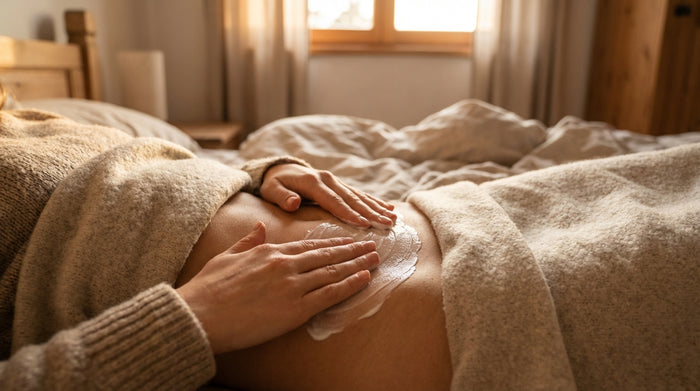
Stretch marks are structural tears in the dermis, not a surface problem. That means surface-level moisturizers can't fix them. But the vitamins and fatty acids in beef tallow support the processes that keep skin elastic and hydrated -- the two factors that determine whether stretch marks form in the first place.
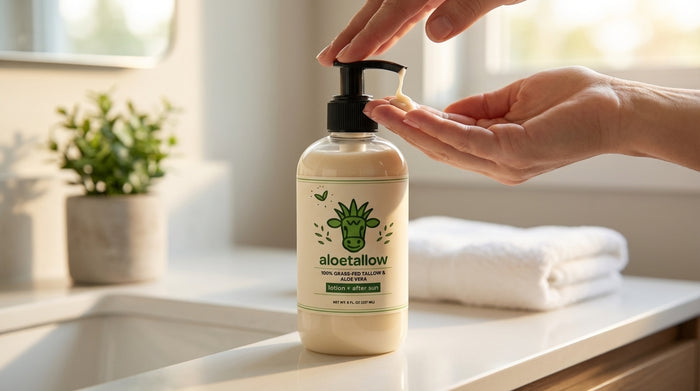
Beef tallow works because its fatty acid profile mirrors human sebum. But how you apply it matters as much as what you apply. This guide covers timing, technique, layering, and the mistakes that keep most people from getting the results they should.
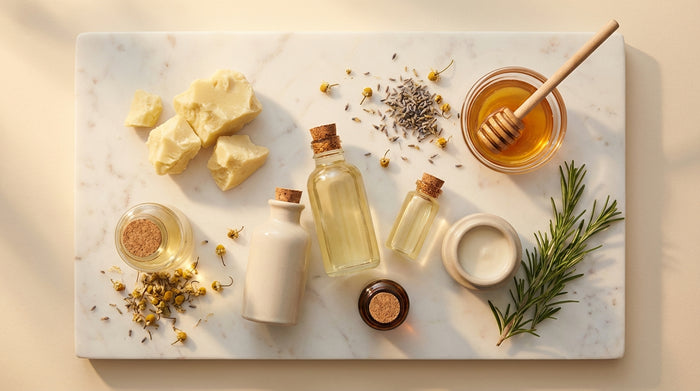
Beef tallow skincare isn't a passing TikTok fad. The market hit $277 million in 2025, Google searches are up 17,400 year-over-year, and Gen Z is driving a broader shift toward ancestral ingredients with real science behind them. Here's why this trend has staying power and what separates quality tallow products from the noise.
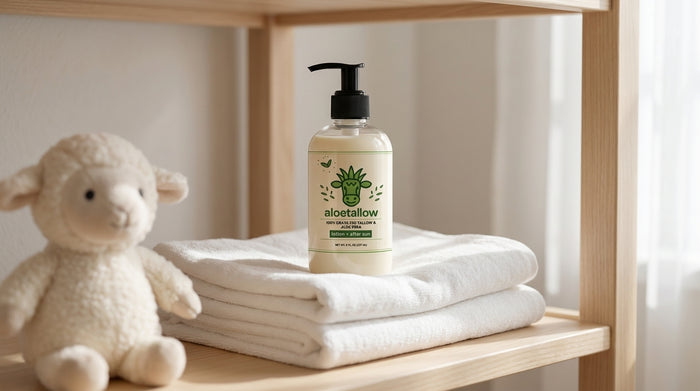
Baby skin is thinner, more permeable, and more reactive than adult skin. That makes ingredient selection critical -- and it makes the case for short, biocompatible ingredient lists stronger than ever. Here's what the science says about beef tallow for infant skin, what to avoid, and how to think about moisturizer choices for your baby.
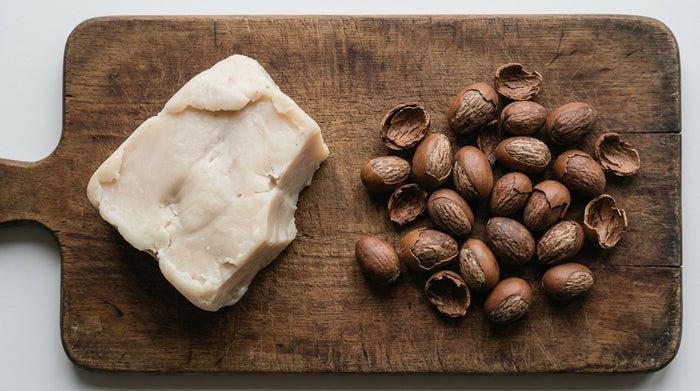
Shea butter is one of the most respected natural moisturizers in skincare, and for good reason. But when you compare the fatty acid profiles side by side, tallow has a structural advantage that comes down to one thing: how closely each fat matches what your skin already produces.
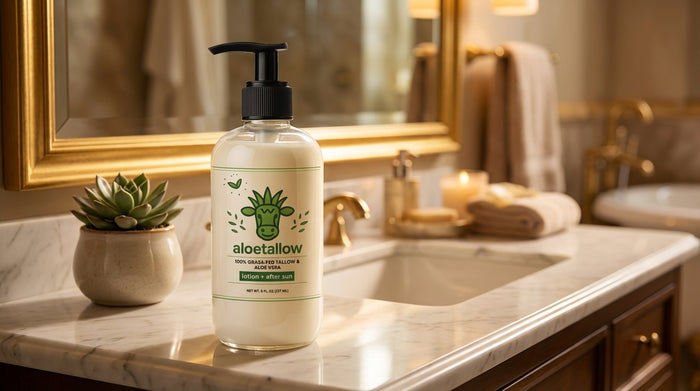
Wrinkles aren't just a collagen problem. They're a barrier problem. When the skin's lipid barrier thins with age, moisture escapes faster, and dehydrated skin folds more easily into visible lines. Tallow's fatty acid profile may address the structural side of aging that most anti-wrinkle products ignore entirely.
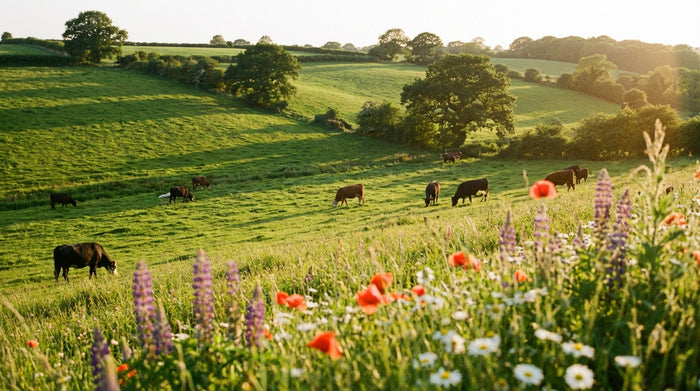
Tallow is showing up in skincare everywhere now. But the sourcing question nobody's asking matters more than the ingredient itself. Grass-fed beef tallow and commodity tallow are not the same thing nutritionally, and the differences show up directly in what your skin actually receives.
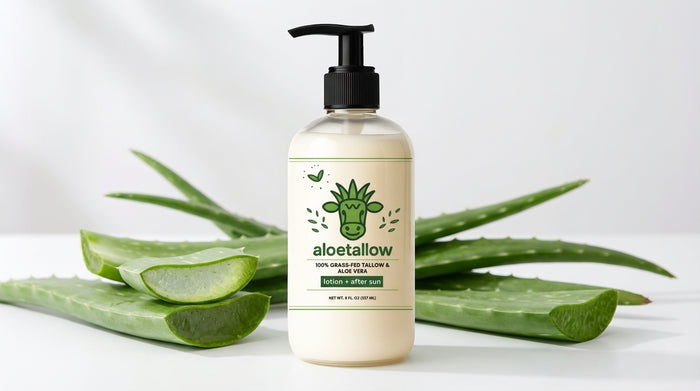
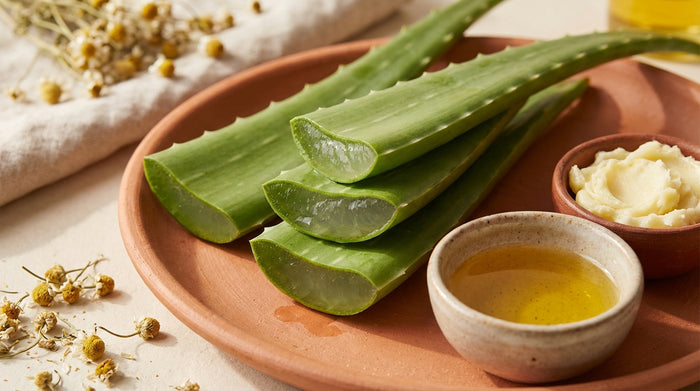
Tallow is an exceptional barrier repair ingredient. Aloe vera is an exceptional hydrator and skin soother. But each one has a gap the other fills. When you combine grass-fed beef tallow with aloe vera in a single formula, you get lipid replacement, humectant hydration, and anti-inflammatory action working simultaneously at different depths. Here's why that matters more than any single ingredient can deliver.
Sunburn isn't just redness. It's lipid destruction, antioxidant depletion, and a barrier that can't hold moisture. Most recovery products cool the surface and stop there. Beef tallow supplies the fatty acids and fat-soluble vitamins your skin needs to structurally rebuild -- here's the science behind why.
the lotion this journal is about
Grass-fed tallow, aloe vera, and 6 other ingredients you can actually pronounce. No fillers, no fragrance, no guesswork.
See what's in it